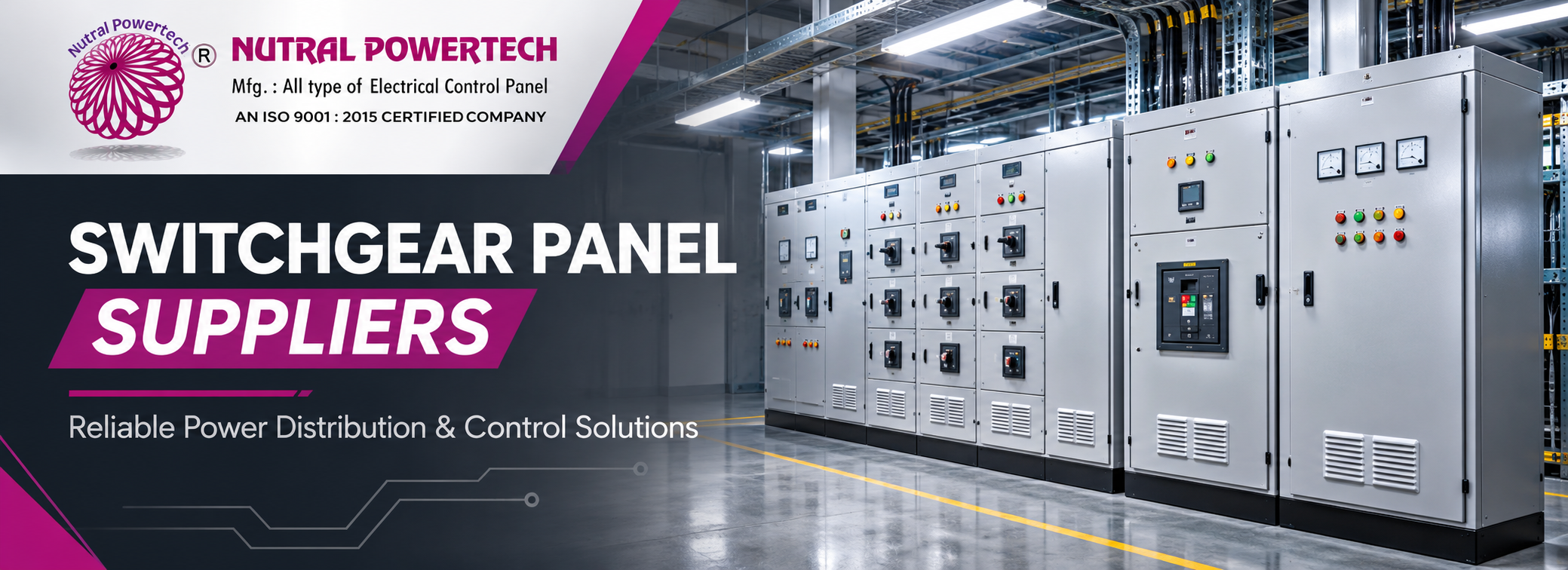
Switchgear Panel Suppliers
In the complex landscape of industrial operations, the reliable distribution and control of electrical power are paramount. Switchgear panels form the backbone of these systems, ensuring safety, efficiency, and uninterrupted power flow. As a critical component for various engineering and related industries, selecting the right switchgear panel suppliers is a decision that impacts operational continuity and safety. This guide delves into the essential aspects of switchgear panels, their applications, and how to identify dependable manufacturers who can provide tailored solutions.
Understanding Switchgear Panels
Switchgear panels are sophisticated engineered systems designed to protect, control, and isolate electrical equipment. They are crucial for managing power flow, preventing damage from faults, and enabling safe maintenance procedures. The primary function of switchgear is to de-energize equipment to allow work to be done safely and to isolate faulted sections of the system to prevent wider disruptions.
These systems are built to meet stringent performance, safety, and compliance requirements. For low-voltage applications, adherence to standards like IEC 61439 is a common benchmark, ensuring that the equipment performs as expected under various operating conditions and fault scenarios.
The core components within a switchgear assembly typically include circuit breakers, fuses, switches, relays, and control circuitry. These elements work in concert to detect abnormal conditions, such as overcurrents or short circuits, and rapidly interrupt the power supply, thereby protecting both personnel and valuable electrical assets.
Key Products Offered by Switchgear Panel Suppliers
Reputable switchgear panel suppliers offer a range of essential products that cater to different levels of power distribution and control within an industrial setting. Understanding these key products helps in identifying the specific needs of an operation:
- Main Distribution Boards (MDBs): These are the primary distribution points for electrical power, typically receiving power from a utility source or a generator and distributing it to downstream panels.
- Sub-Main Distribution Boards (SMDBs): SMDBs receive power from the MDB and further distribute it to smaller areas or specific circuits within a facility.
- Final Distribution Boards (FDBs): FDBs are the final stage in the distribution chain, supplying power directly to individual circuits and equipment.
- Motor Control Centers (MCCs): MCCs are specifically designed to house motor starters, variable frequency drives, and other control devices for electric motors, offering centralized control and protection.
- Automatic Transfer Switch (ATS) Panels: ATS panels are vital for facilities requiring continuous power, automatically switching the power source from the primary (utility) to an auxiliary (generator) during outages.
Applications Across Industries
The utility and versatility of switchgear panels make them indispensable across a vast spectrum of industries. Their ability to manage and protect electrical systems ensures reliable operations in demanding environments:
- Industrial Plants: Manufacturing facilities rely heavily on robust switchgear for powering heavy machinery, production lines, and process control systems, ensuring minimal downtime.
- Data Centers: The continuous power requirements of data centers make reliable switchgear, including ATS panels, essential for uninterrupted server operations and data integrity.
- Healthcare Institutions: Hospitals and clinics require highly reliable power systems to support critical medical equipment and life support systems, making compliant switchgear a necessity.
- Commercial Developments: Large commercial buildings, including shopping malls and office complexes, utilize switchgear for power distribution to various tenants and common areas.
- Utilities: Power generation and transmission companies depend on high-voltage and medium-voltage switchgear for grid management, protection, and network control.
- Infrastructure Projects: Airports, transportation hubs, and water treatment facilities utilize switchgear for managing complex electrical systems essential for their operations.
The NUTRAL POWERTECH Advantage: Custom Electrical Panel Solutions
Established in 2015, NUTRAL POWERTECH has emerged as a dedicated manufacturer of all types of electrical control panels, offering specialized solutions tailored to the unique needs of various engineering and related industries. Understanding that off-the-shelf solutions may not always suffice, NUTRAL POWERTECH focuses on delivering customized electrical panel solutions that precisely match client specifications and operational requirements.
Buyer Insight:
When evaluating switchgear panel suppliers, prioritize those offering a high degree of customization. The ability to design and manufacture panels like PCC, MCC, APFC, LT, and Fire Pump Control Panels to exact specifications ensures optimal integration and performance within your existing infrastructure.
NUTRAL POWERTECH's expertise encompasses a wide array of critical panel types, including:
- Power Control Centers (PCC) Panels: For comprehensive control and distribution of power in large industrial setups.
- Motor Control Centers (MCC) Panels: Centralized control and protection for multiple electric motors.
- Automatic Power Factor Correction (APFC) Panels: To improve power factor, reduce energy losses, and enhance system efficiency.
- Low Tension (LT) Panels: For safe and efficient distribution of low-voltage power.
- Fire Pump Control Panels: Specialized panels designed for the reliable operation of fire suppression systems, ensuring safety and compliance.
By focusing on custom electrical panel solutions, NUTRAL POWERTECH ensures that clients receive equipment that not only meets but exceeds their specific functional and operational demands, contributing to enhanced safety, efficiency, and reliability.
Benefits of High-Quality Switchgear Panels
Investing in high-quality switchgear panels from reputable switchgear panel suppliers offers numerous advantages that contribute to operational excellence and safety:
- Enhanced Safety: Properly designed and manufactured switchgear protects personnel from electrical hazards and minimizes the risk of electrical fires.
- Improved Reliability: Robust construction and adherence to standards ensure consistent power delivery and reduce the likelihood of unexpected outages.
- Operational Efficiency: Efficient power distribution and control can lead to reduced energy consumption and optimized performance of machinery and systems.
- System Protection: Advanced protective features safeguard valuable electrical equipment from damage caused by faults, surges, or overloads.
- Compliance Assurance: Sourcing from manufacturers who adhere to relevant industry standards ensures that your installation meets regulatory requirements.
- Reduced Downtime: Reliable switchgear minimizes disruptions, leading to increased productivity and lower operational costs associated with downtime.
Buyer's Guide: Selecting the Right Switchgear Panel Suppliers
Choosing the right switchgear panel suppliers is a critical step in ensuring the safety and efficiency of your electrical infrastructure. Consider the following factors:
Essential Selection Criteria:
- Manufacturing Capability: Verify that the supplier is a direct manufacturer with the in-house expertise to produce the specific types of panels you require (e.g., PCC, MCC, APFC, LT, Fire Pump Control Panels).
- Customization Options: Assess their ability to offer tailored solutions based on your single-line diagrams (SLD) and load requirements. Look for flexibility in design and configuration.
- Quality and Compliance: Inquire about the standards they adhere to (e.g., IEC 61439, UL 891, ANSI C37.20) and their internal quality control processes.
- Technical Support and Expertise: Ensure they have knowledgeable staff who can assist with design, selection, and troubleshooting.
- Lead Times: Understand their typical production and delivery schedules to ensure they align with your project timelines.
- After-Sales Support: Consider the availability of support for installation, commissioning, and potential future modifications.
Quality Checks and Verification
Before finalizing a purchase, it's essential to ensure the quality and integrity of the switchgear panels. This involves:
- Reviewing Design Documentation: Thoroughly examine technical drawings, specifications, and single-line diagrams provided by the supplier.
- Understanding Manufacturing Processes: Ask about their quality assurance procedures during manufacturing, assembly, and testing.
- Inspection and Testing: Arrange for pre-shipment inspections or witness factory acceptance tests (FAT) if feasible, to verify performance and adherence to specifications.
Questions to Ask Before Buying
To make an informed decision, always ask potential switchgear panel suppliers the following questions:
- What types of electrical control panels do you specialize in manufacturing?
- Can you provide custom panel solutions based on our specific load requirements and SLDs?
- What industry standards do your products comply with?
- What is your typical lead time for custom-built panels?
- What are your quality control procedures throughout the manufacturing process?
- What kind of after-sales support do you offer?
Requesting the Right Solution
To effectively source switchgear panels, provide potential suppliers with comprehensive information. This typically includes:
- Detailed single-line diagrams (SLD) of your power distribution system.
- Load calculations and specific power requirements for each circuit.
- Site conditions and any environmental considerations.
- Required standards and compliance documentation.
- Any specific functional requirements or operational preferences.
Clearly communicating these details helps manufacturers like NUTRAL POWERTECH to design and provide electrical control panels that are perfectly suited to your application, ensuring optimal performance and long-term reliability.
Frequently Asked Questions (FAQ)
What is the primary role of switchgear in an electrical system?
The primary role of switchgear is to protect electrical equipment from damage caused by faults and to allow for safe isolation of circuits for maintenance, thereby ensuring operational safety and reliability.
How do I choose between different types of electrical control panels like PCC and MCC?
PCC panels are generally used for main power distribution and control, while MCC panels are specifically designed for controlling multiple electric motors. The choice depends on whether your primary need is general power distribution or centralized motor control.
Are custom-designed panels more expensive than standard ones?
Custom-designed panels may have a higher initial cost due to the specific engineering and manufacturing involved. However, they can be more cost-effective in the long run by ensuring perfect integration, optimal performance, and avoiding the need for modifications to standard units.
What are the important compliance standards for switchgear?
Key compliance standards vary by region and application, but common examples include IEC 61439 for low-voltage switchgear assemblies, UL 891, and ANSI C37.20. Manufacturers should be able to specify which standards their products meet.
How long does it typically take to receive custom switchgear panels?
Lead times can vary significantly based on the complexity of the design, the manufacturer's current production schedule, and component availability. Some manufacturers may offer lead times around 4-6 weeks, but it's essential to confirm this with your chosen supplier.
Empower Your Operations with Expert Switchgear Solutions
For reliable and customized electrical control panels, partner with a manufacturer experienced in meeting diverse industrial demands. NUTRAL POWERTECH offers a comprehensive range of solutions, including PCC, MCC, APFC, LT, and Fire Pump Control Panels, all engineered to your exact specifications. Ensure the safety, efficiency, and continuity of your operations.
Explore NUTRAL POWERTECH Solutions