
Call Us

+91 97242 27659

Email Us

nutralpowertech@gmail.com

JUNCTION BOX

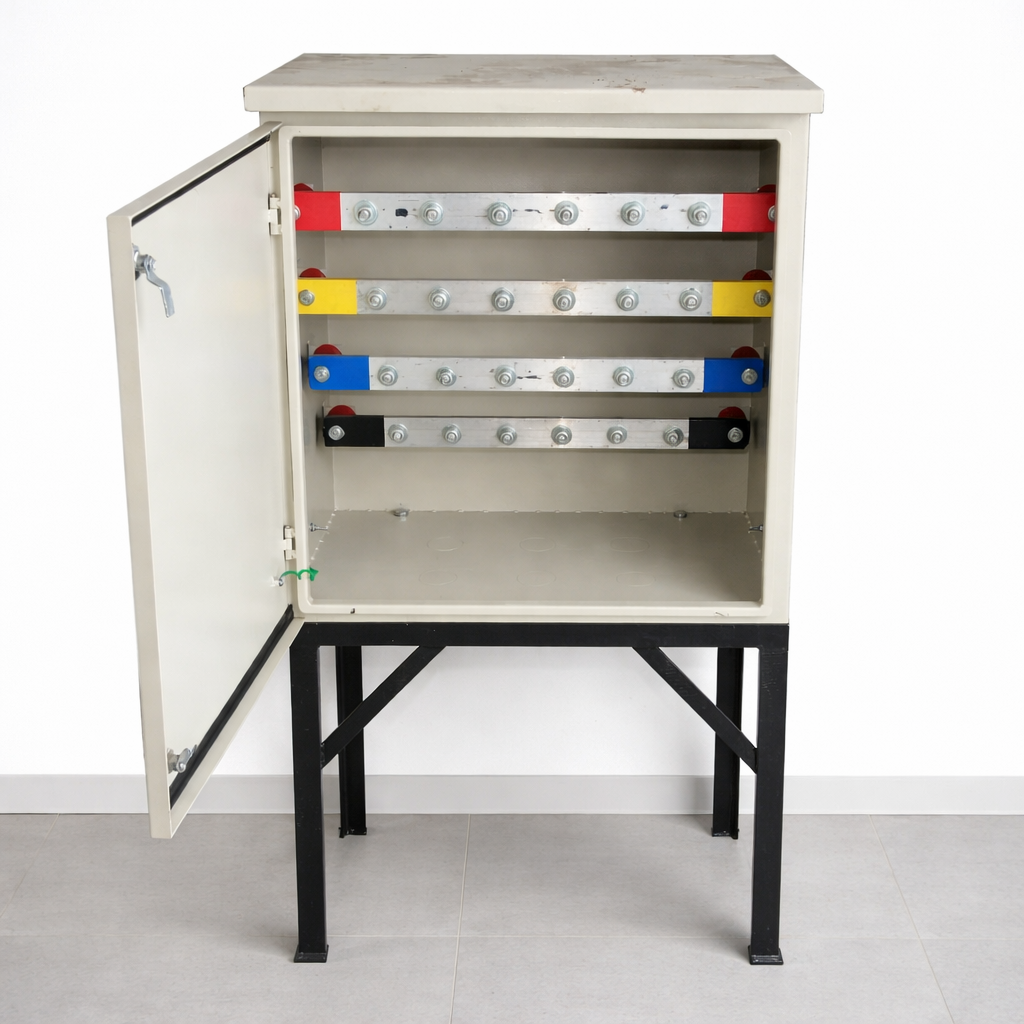
An Electrical Junction Box is an enclosure that protects electrical wiring connections (or splices) from physical damage, dirt, and moisture. It is a fundamental component in nearly every electrical installation, providing a safe and accessible point for joining multiple wires and distributing power to different parts of a circuit.

Purpose and Function

The primary purpose of a junction box is safety and compliance with electrical codes:

Safety and Containment

It completely encloses all wire splices and terminations. This is crucial because a faulty or loose connection can generate heat or sparks. The non-combustible material of the box contains these hazards, preventing them from spreading and causing a fire.
Protection

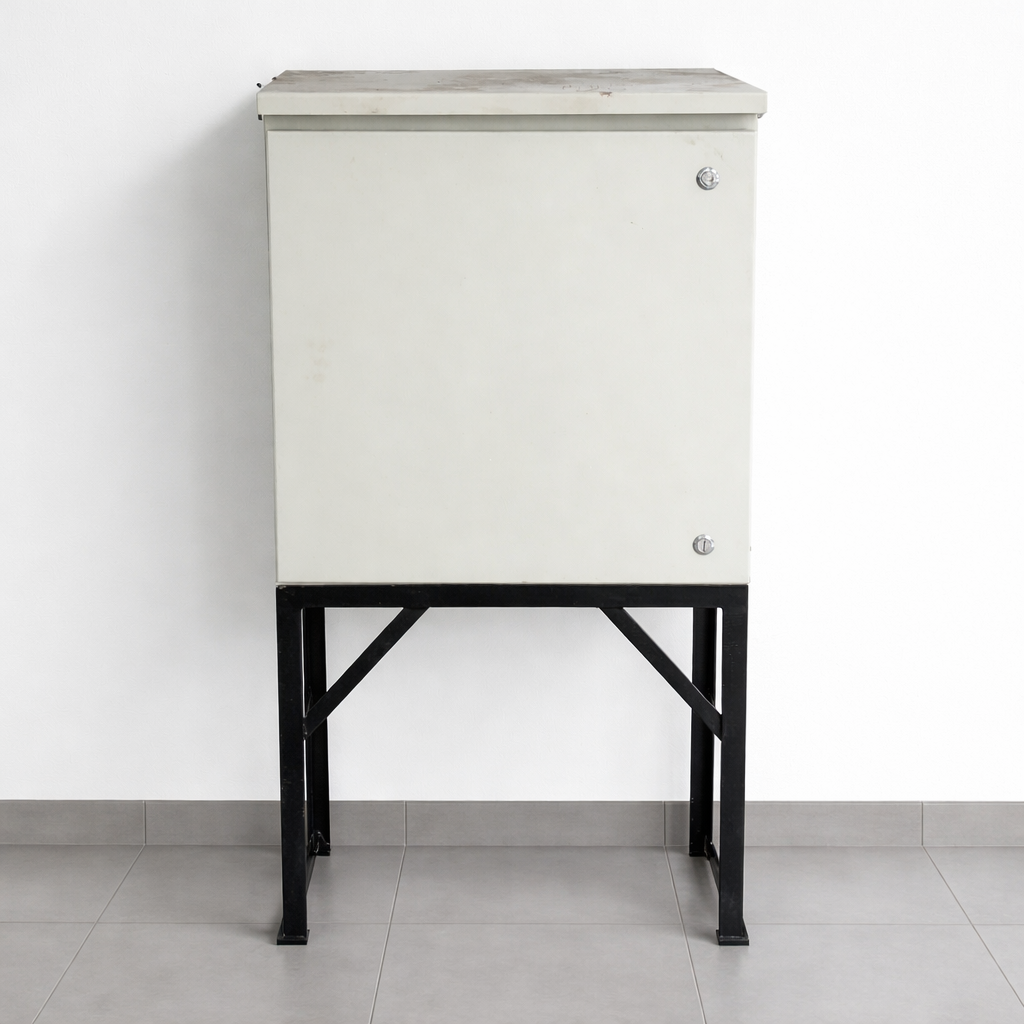
It physically shields the vulnerable wire connections from external factors like dust, water, insects, and accidental mechanical stress.

Accessibility for Maintenance

Electrical codes require that all wire splices must be accessible. The junction box provides a controlled, covered space that can be opened for inspection, testing, or maintenance without tearing walls or ceilings. Spliced wires must never be buried or concealed without a junction box.

Structure and Types

Junction boxes come in various materials, sizes, and shapes, depending on their application.

1. Materials

Plastic (PVC): Most common for residential and light commercial interior wiring (e.g., 120V and 240V circuits). They are lightweight and non-conductive.

Metal (Steel, Aluminum): Used in industrial settings, commercial buildings, and exposed outdoor locations where greater mechanical protection, grounding quality, or fire resistance is required.

2. Common Shapes and Uses

Square or Rectangular Boxes: Typically 4×4 inches or 4×2 inches, used for splicing, switches, and receptacles.

Octagonal or Round Boxes: Primarily used for mounting lighting fixtures and ceiling fans.

Weatherproof Boxes: Heavy-metal or specialized plastic with gaskets, designed for outdoor or wet locations (rated by IP code for ingress protection).

3. Key Features

Knockouts: Pre-stamped circular sections on metal boxes that can be removed for conduit or cable entry.

Cable Clamps (Built-in): Found in non-metallic boxes to secure NM cable where it enters the box, reducing strain on connections.

In summary, a junction box is mandatory wherever two or more wires are joined to ensure all connections are safe, protected, and easily accessible.