Circuit Protection
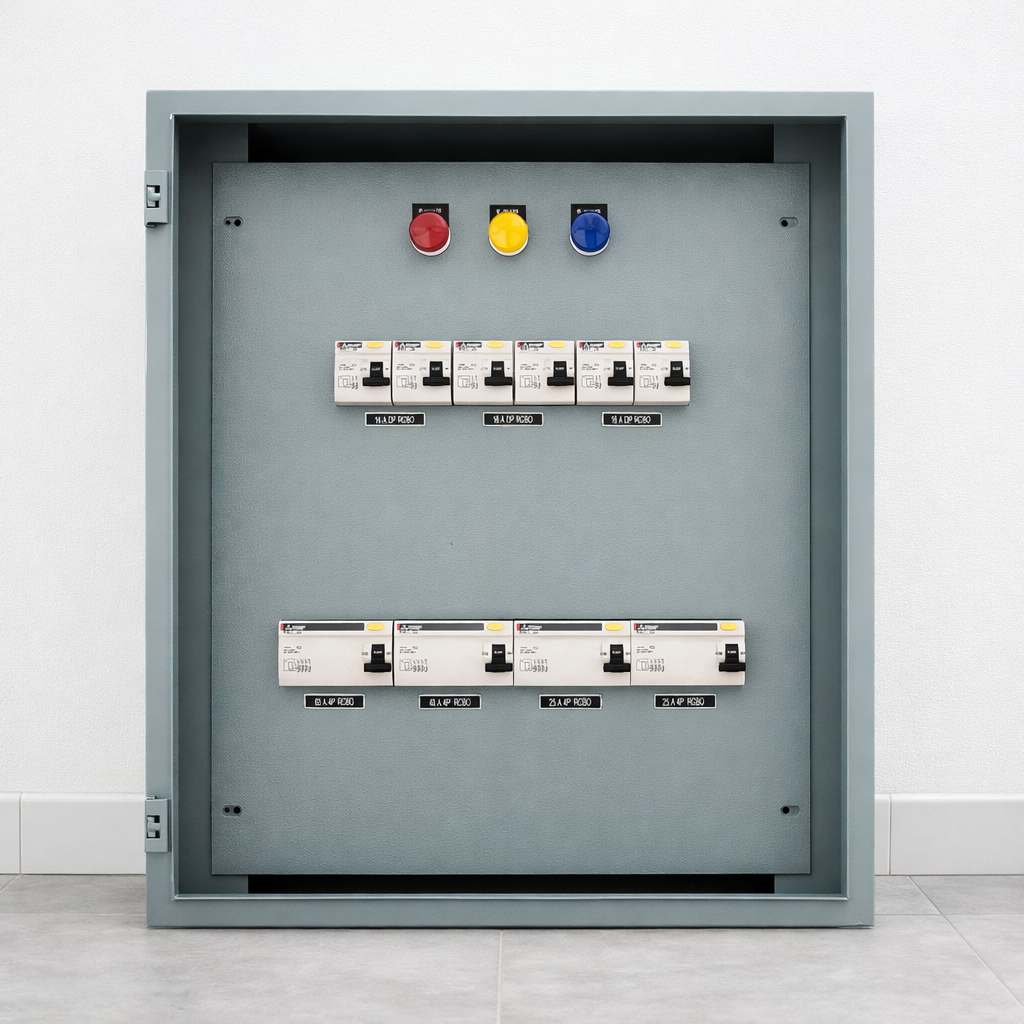
The LDB houses a bank of low-rated circuit breakers (typically MCBs) to protect the thin wiring and low-power lighting circuits from overloads and short circuits.
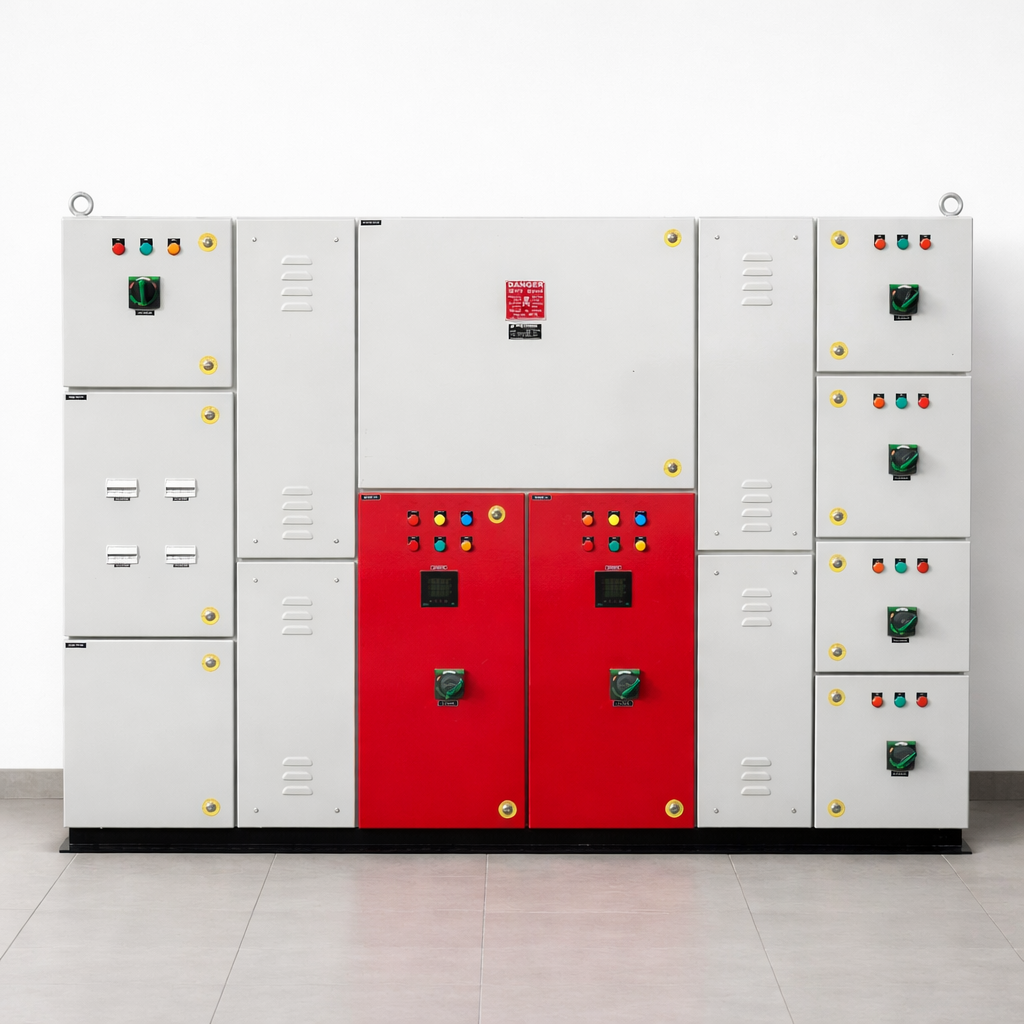
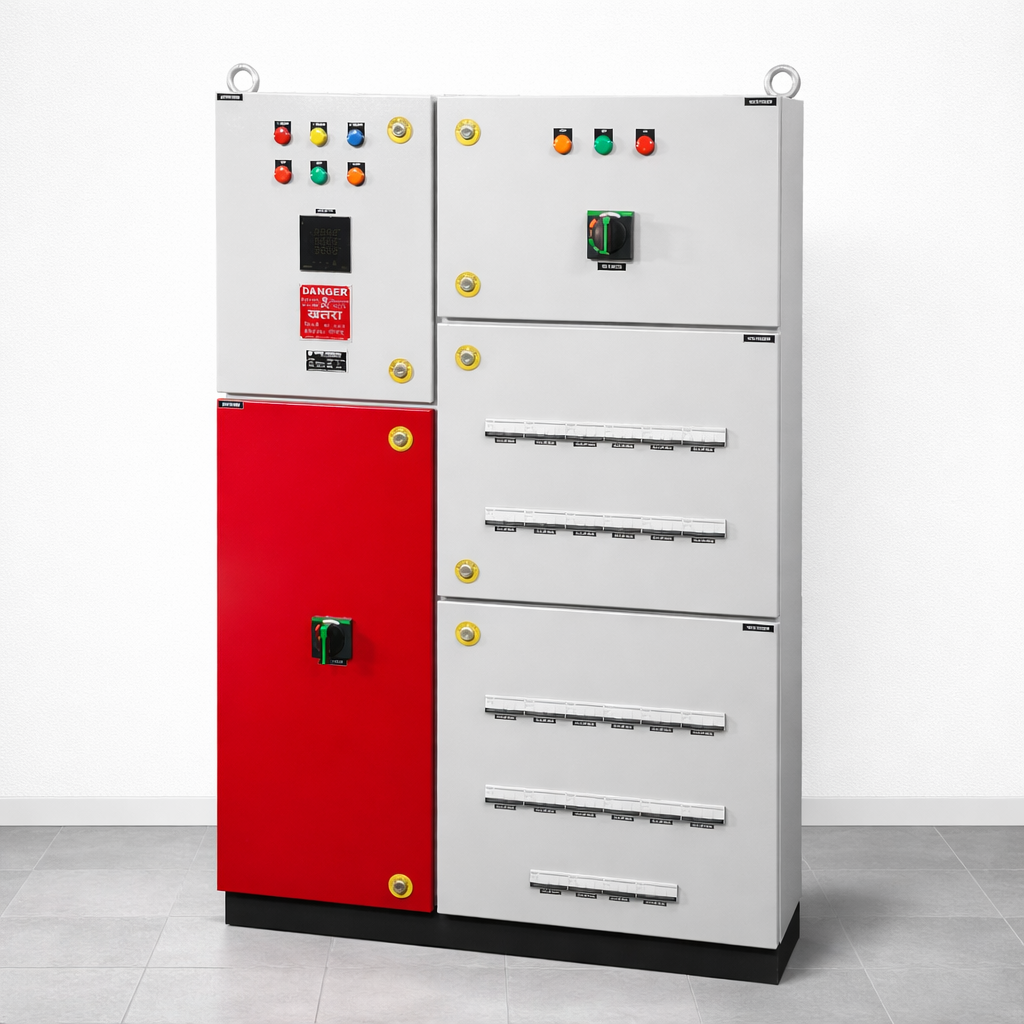
An Electrical Lighting Distribution Board (LDB) is a specialized type of distribution board designed exclusively to manage and protect the electrical circuits dedicated to a facility's lighting system.
It acts as a final distribution point, taking power from a main Power Distribution Board (PDB) or a main switchboard, and dividing it into numerous smaller, protected circuits that feed the lights (and sometimes small ceiling fans) throughout a building.
While similar in structure to a general distribution board, the LDB’s focus on lighting allows for specialized control and design:
The LDB houses a bank of low-rated circuit breakers (typically MCBs) to protect the thin wiring and low-power lighting circuits from overloads and short circuits.
Divides the lighting load into many small, distinct circuits so that if a fault occurs on one circuit, only the lights on that circuit go out and the rest of the building remains lit and operational.
Often integrated with lighting control systems such as timers, contactors, dimmers, and building management systems (BMS) for automatic scheduling, daylight harvesting, and energy management.
Lighting circuits are divided and balanced across the three phases (R, Y, B) of the supply to ensure uniform loading on the upstream transformer and distribution system.
A standard LDB is a metal enclosure designed for easy access by electricians but with restricted access for general users:
A main switch or breaker at the input that can disconnect all lighting circuits simultaneously for safe maintenance.
Conductive bars that carry the incoming power and distribute it to the output circuit breakers efficiently.
Usually single-pole or double-pole MCBs with low current ratings (e.g., 6A to 16A) corresponding to the lighting circuit wiring.
Dedicated terminal bars for clean, organized termination and connection of all neutral and protective earth conductors.
2020-2021 Nutral Powertech | All Rights Reserved. | Website Designed By : Industry Lead - +91 8000121171