Call Us

+91 97242 27659

Email Us

nutralpowertech@gmail.com

Metering Panel

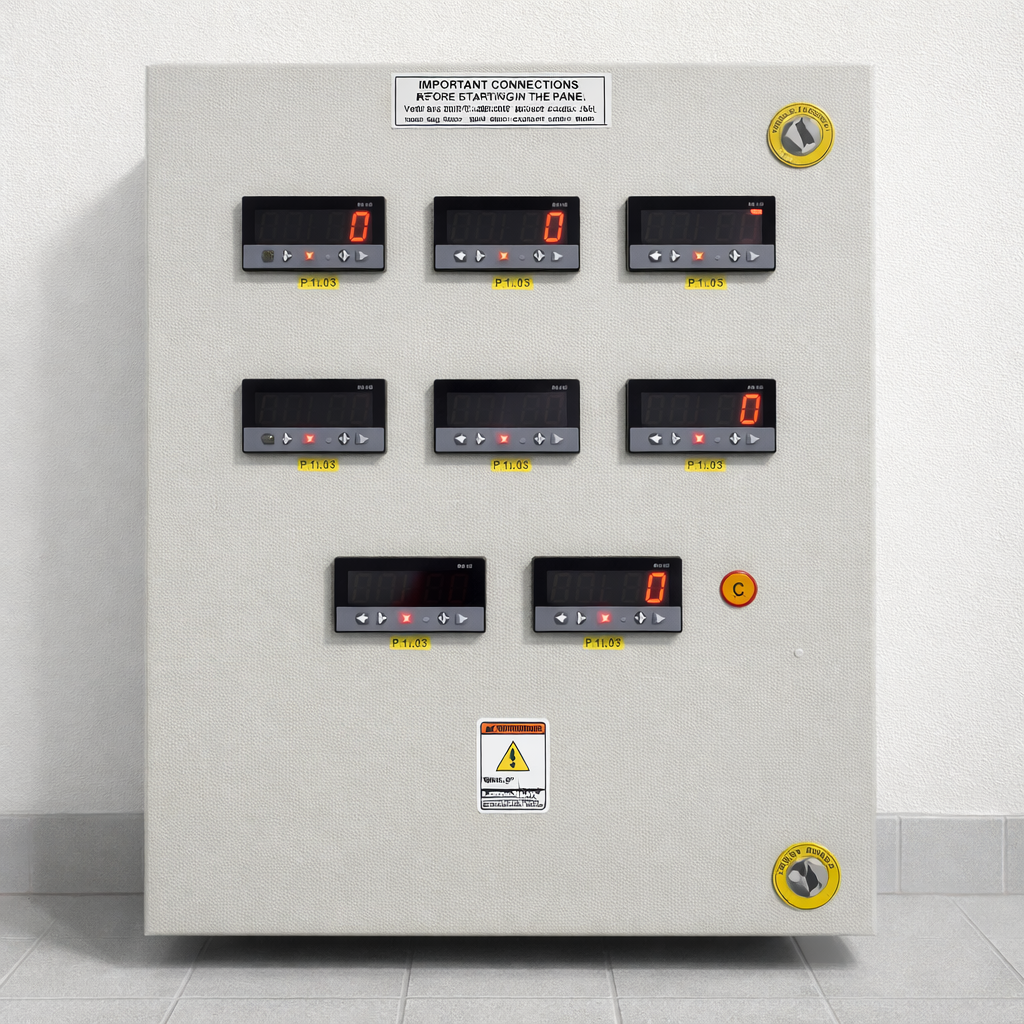
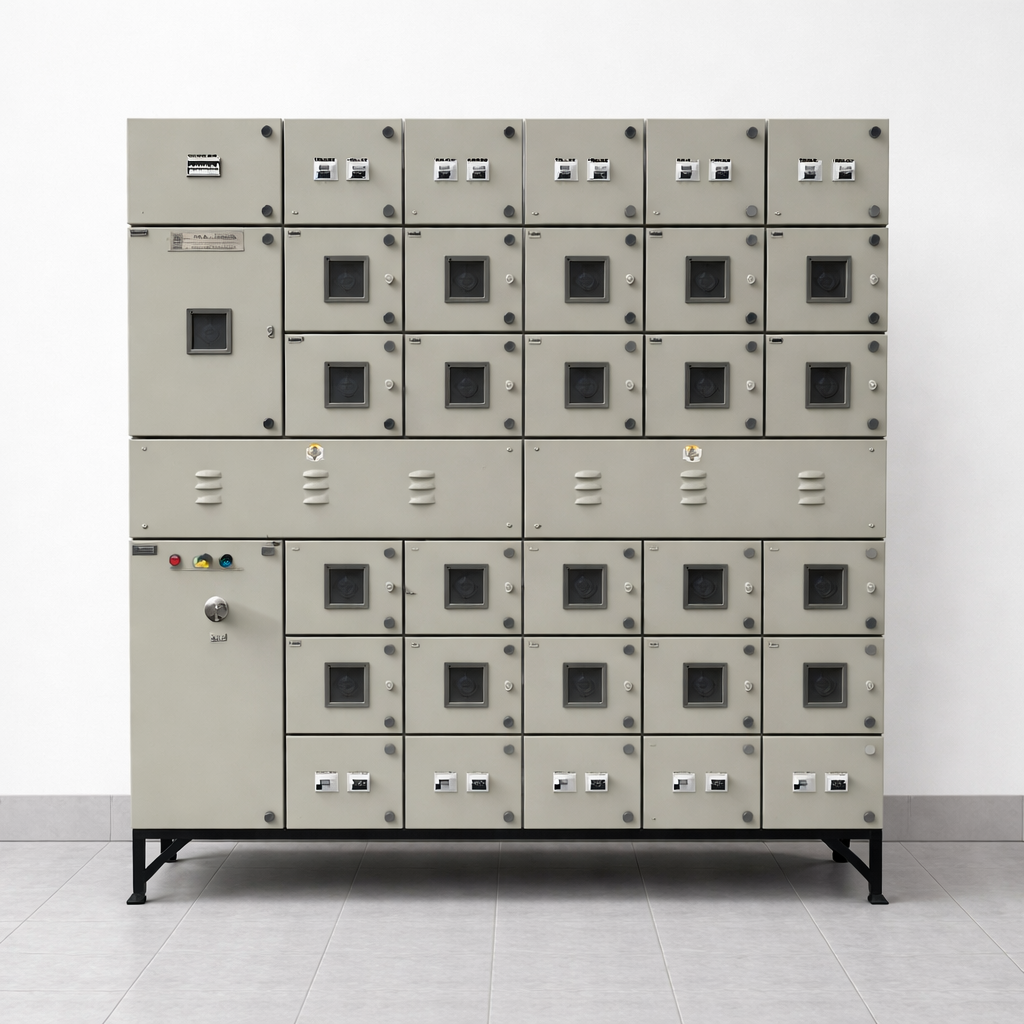
An Electrical Metering Panel is a specialized electrical enclosure designed to house, organize, and protect the equipment used for accurately measuring and monitoring electrical consumption and power quality within a commercial, industrial, or multi-tenant residential facility.

It acts as the central hub where the utility company measures the incoming power, and where the facility may install sub-meters for detailed internal energy management.

Core Function and Purpose

The primary role of the metering panel is not to distribute power, but to provide accurate, reliable, and secure data on electrical parameters.

Billing and Revenue

For utility companies, the panel houses the official meter used for customer billing (often referred to as an EB Meter or Revenue Meter). In multi-tenant buildings (like a mall or apartment complex), it contains sub-meters to bill individual tenants.
Energy Management (Sub-Metering)

In industrial and large commercial settings, the panel holds smart meters that monitor different sections, machines, or departments. This data is critical for optimizing energy use, identifying waste, and implementing cost-saving measures.

Power Quality Monitoring

Modern metering panels often include sophisticated meters that monitor parameters beyond simple energy use (kWh), such as Voltage, Current, Power Factor, and Harmonic Distortion, which are essential for maintaining the health of the electrical system.

Key Components

The components within a metering panel ensure that the meters are safely connected to the electrical system and their readings are accurate.

1) Energy Meters

Primary measurement devices to record electrical parameters.

  • Single-Phase Meters: Typically used for light loads, like small residences or individual apartments.
  • Three-Phase Meters (Multi-function Meters): Required for high-load commercial and industrial applications. These digital meters measure multiple parameters simultaneously.
  • Smart Meters: Meters with built-in communication capabilities (e.g., Modbus, RS-485) to send data remotely to an Energy Management System (EMS).

2) Current Transformers (CTs) & Potential Transformers (PTs)

For high-current or high-voltage lines, these devices step down the current and voltage proportionally so that the sensitive meters can safely and accurately measure the power without being directly connected to the main lines.

3) Circuit Protection Devices

Circuit breakers and fuses are included to protect sensitive metering equipment and control wiring from overcurrents and short circuits.

4) Terminal Blocks

Used to provide neat, organized, and secure connection points for the wires coming from the CTs/PTs, the meters, and the communication cables.

5) Enclosure

A robust, dust-proof, and sometimes weather-proof metal cabinet that protects all the internal components from the environment and prevents unauthorized access or tampering.