Distribution
Acts as a localized junction box, receiving bulk power from an upstream source (like an LV distribution transformer) and splitting it into multiple outgoing circuits (feeders) to supply different users or areas.

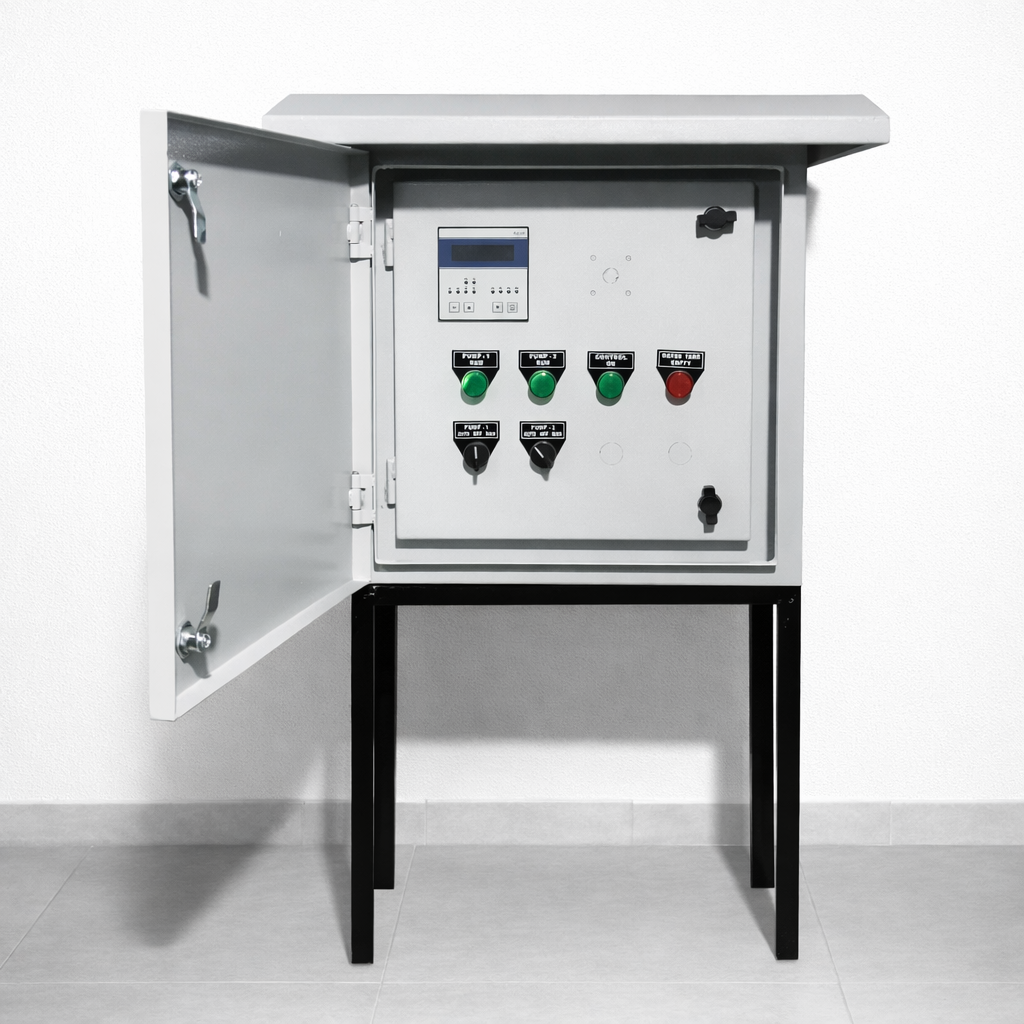
An Electrical Feeder Pillar is a weather-proof, floor-mounted cabinet used as a compact, centralized point for distributing, isolating, and protecting low-voltage (1$\text{LV}$) electrical energy to various local loads (e.g., street lights, residential blocks, commercial facilities) from a main power supply.2
Feeder pillars are commonly found outdoors in residential areas, along roadsides, or within large industrial compounds, acting as a link between the main transformer or power source and the final consumers.
The Feeder Pillar performs several critical functions for the electrical distribution network:
Acts as a localized junction box, receiving bulk power from an upstream source (like an LV distribution transformer) and splitting it into multiple outgoing circuits (feeders) to supply different users or areas.
Contains switches, links, or isolators that allow maintenance personnel to safely disconnect the downstream network from the live supply without affecting the entire system—crucial for repair and service work.
Houses fuses, circuit breakers, or MCCBs to protect outgoing feeders and connected loads from short circuits and overcurrent (overload) events.
Some designs include compartments for current transformers (CTs) and energy meters to monitor the power consumption of local loads.
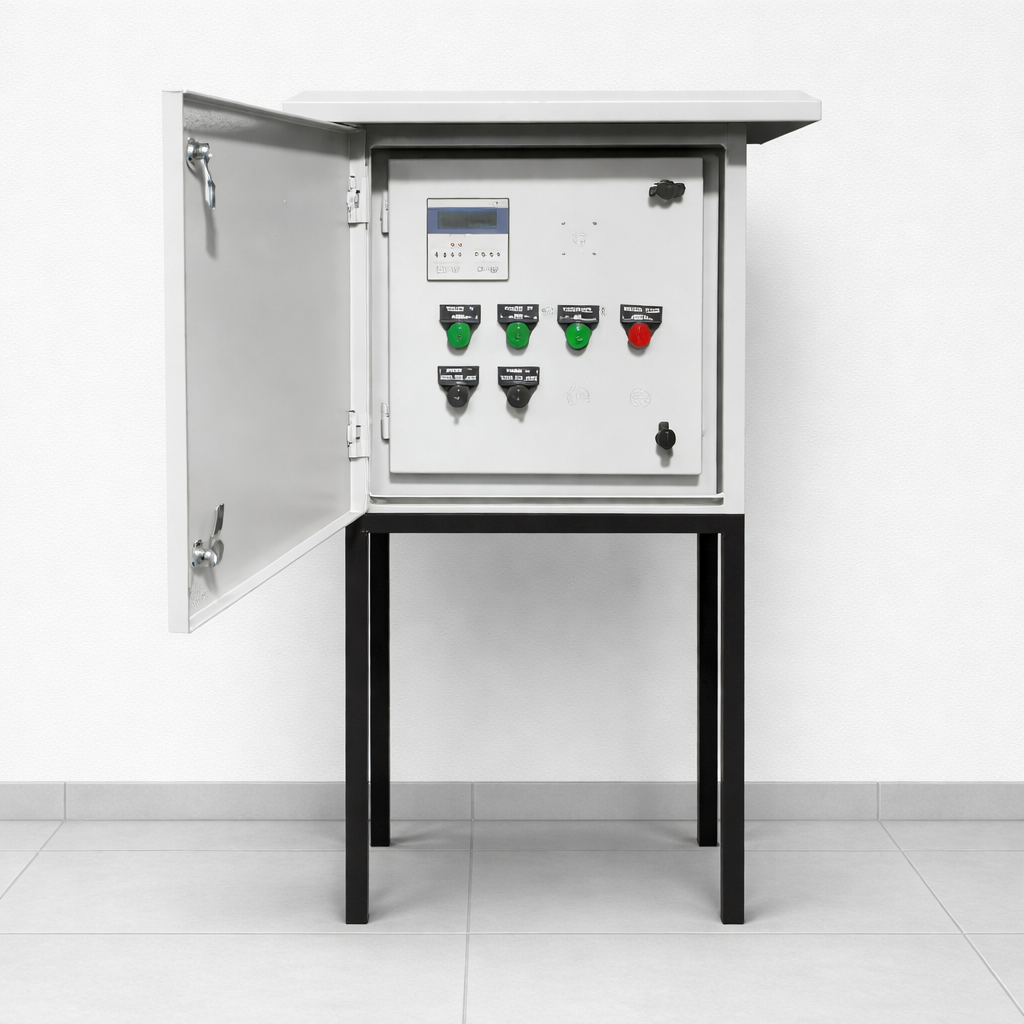
A standard Feeder Pillar is a robust assembly designed for public and outdoor use:
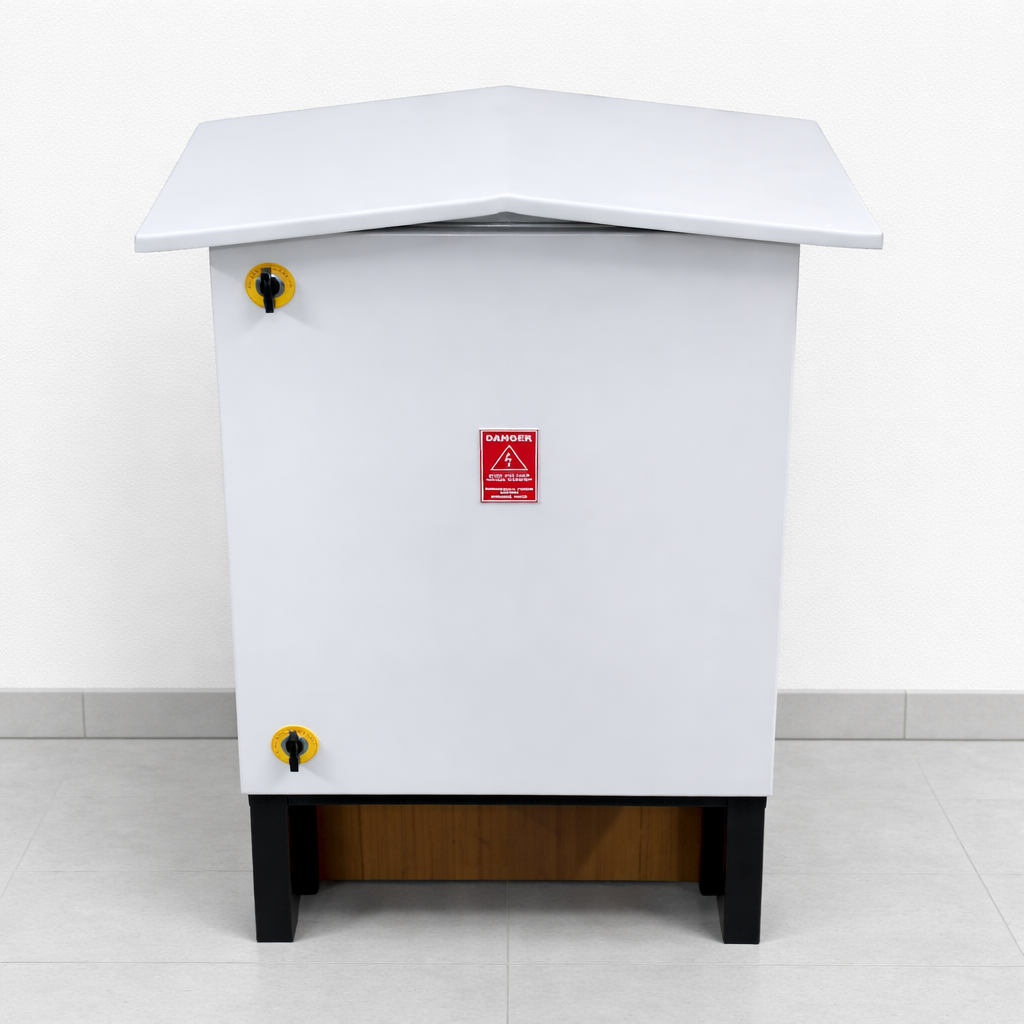
Typically made of sheet steel, aluminum, or composite materials, offering IP-rated protection against dust, water, and corrosion. It is usually painted or coated for long life and may feature anti-vandalism designs.
The main supply cable terminates here. It features robust lugs and a main isolation device for safe incoming power.
Heavy copper or aluminum busbars run horizontally, distributing incoming power to all outgoing circuits.
Multiple terminals and protective devices (fuses/breakers) connect the smaller outgoing cables to various loads.
2020-2021 Nutral Powertech | All Rights Reserved. | Website Designed By : Industry Lead - +91 8000121171