Busbars (Conductors)
These are rectangular strips of copper or aluminum conductors, separated by specialized insulation. Their flat design allows higher current-carrying capacity and improved heat dissipation compared to cables.
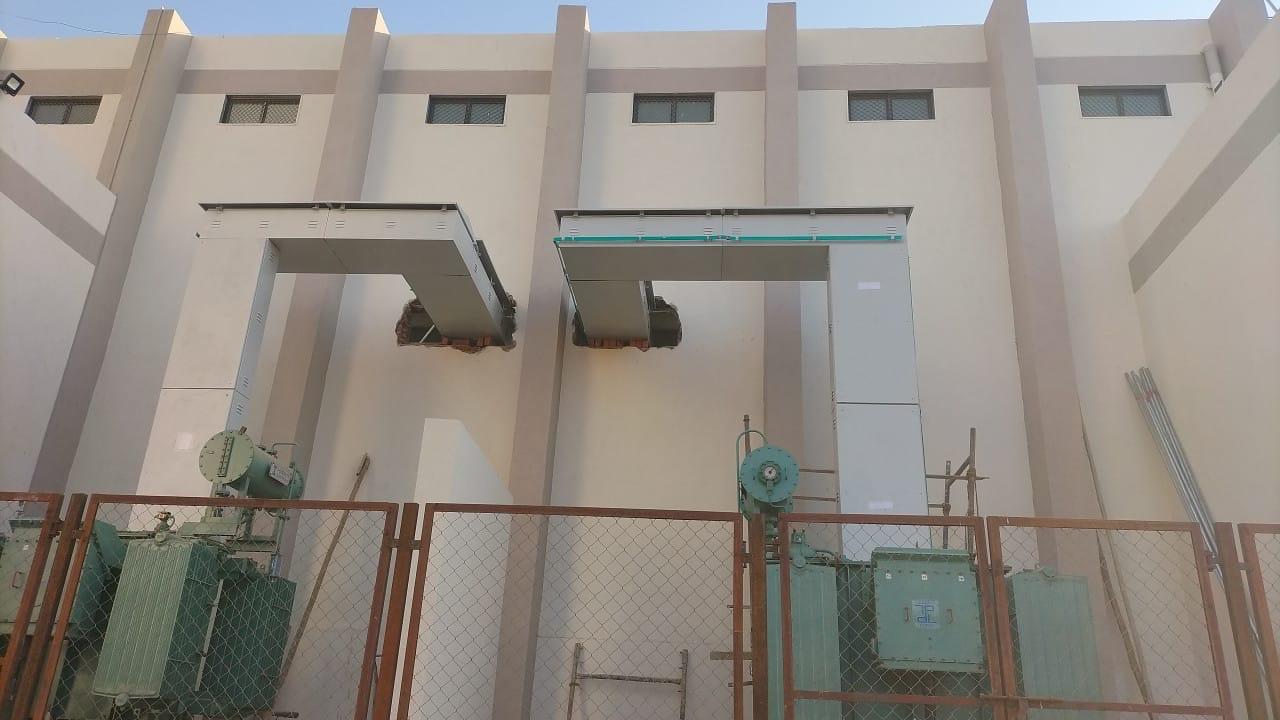
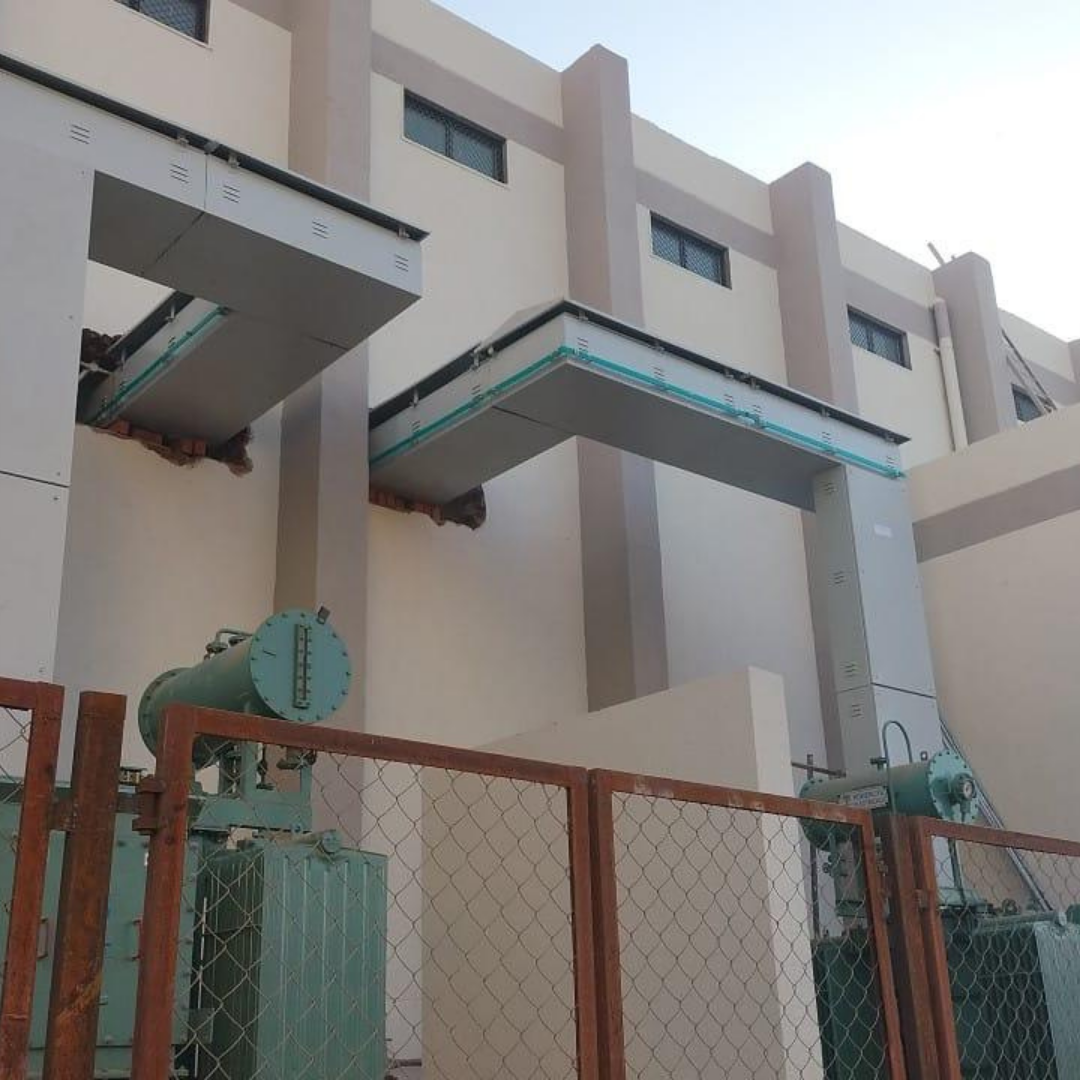
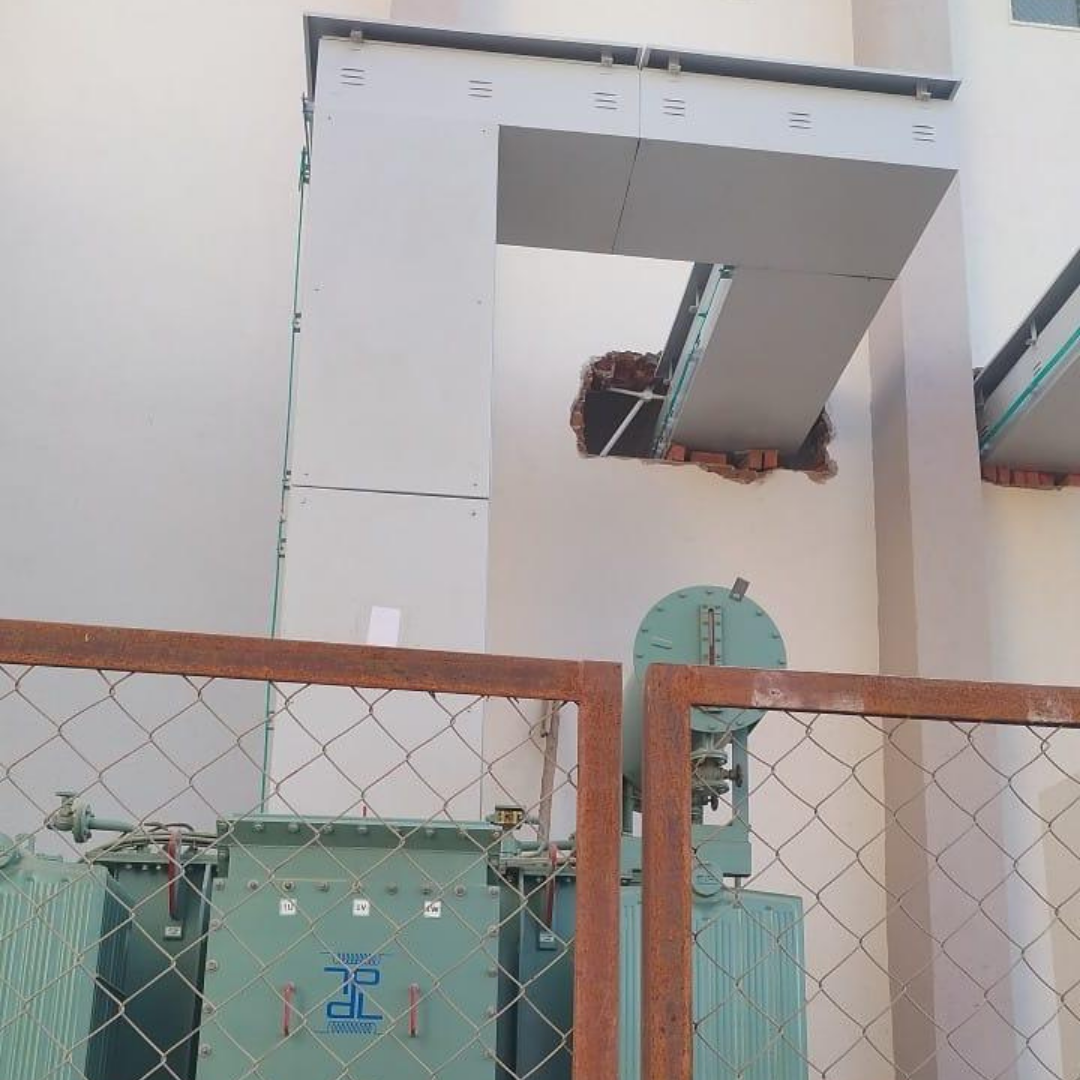
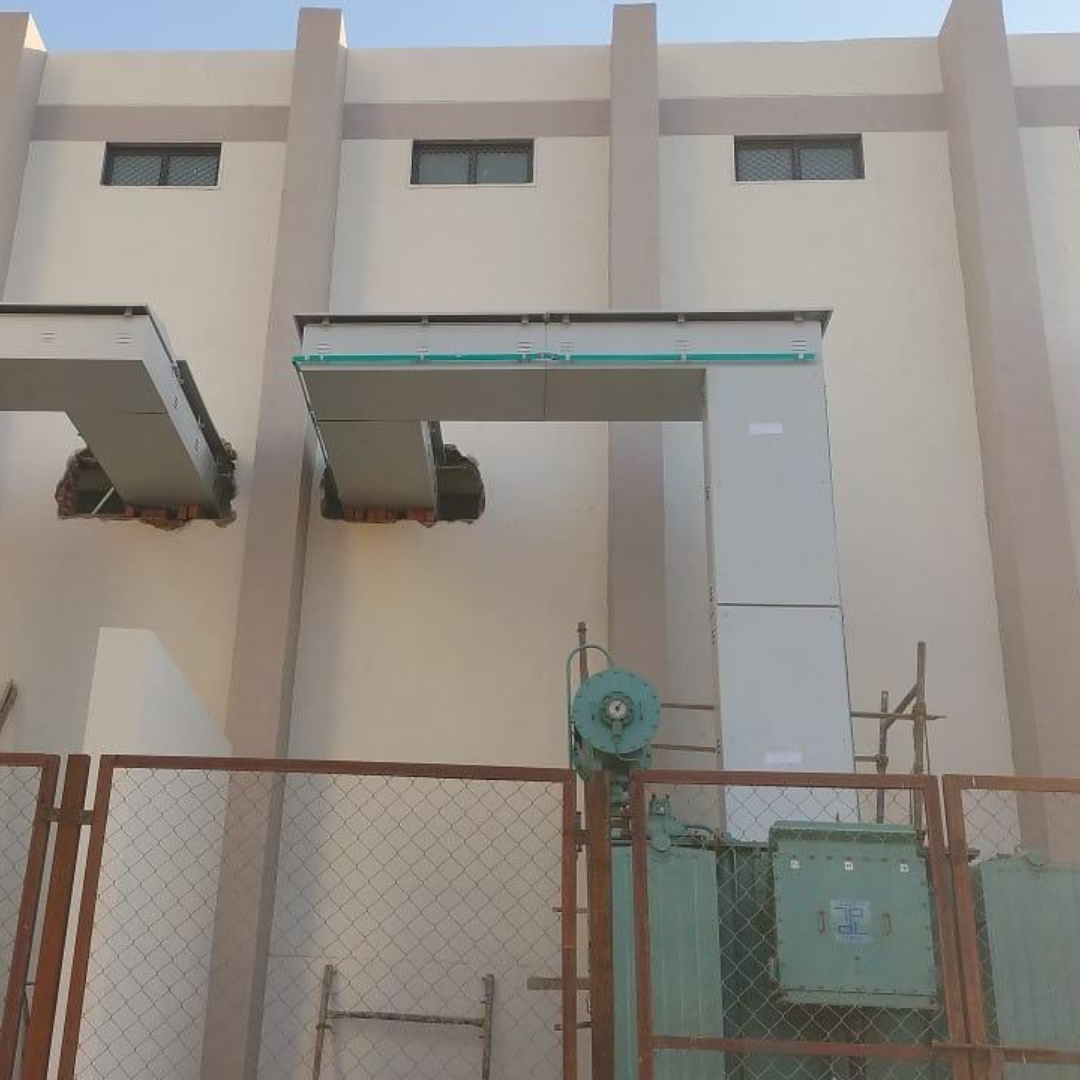
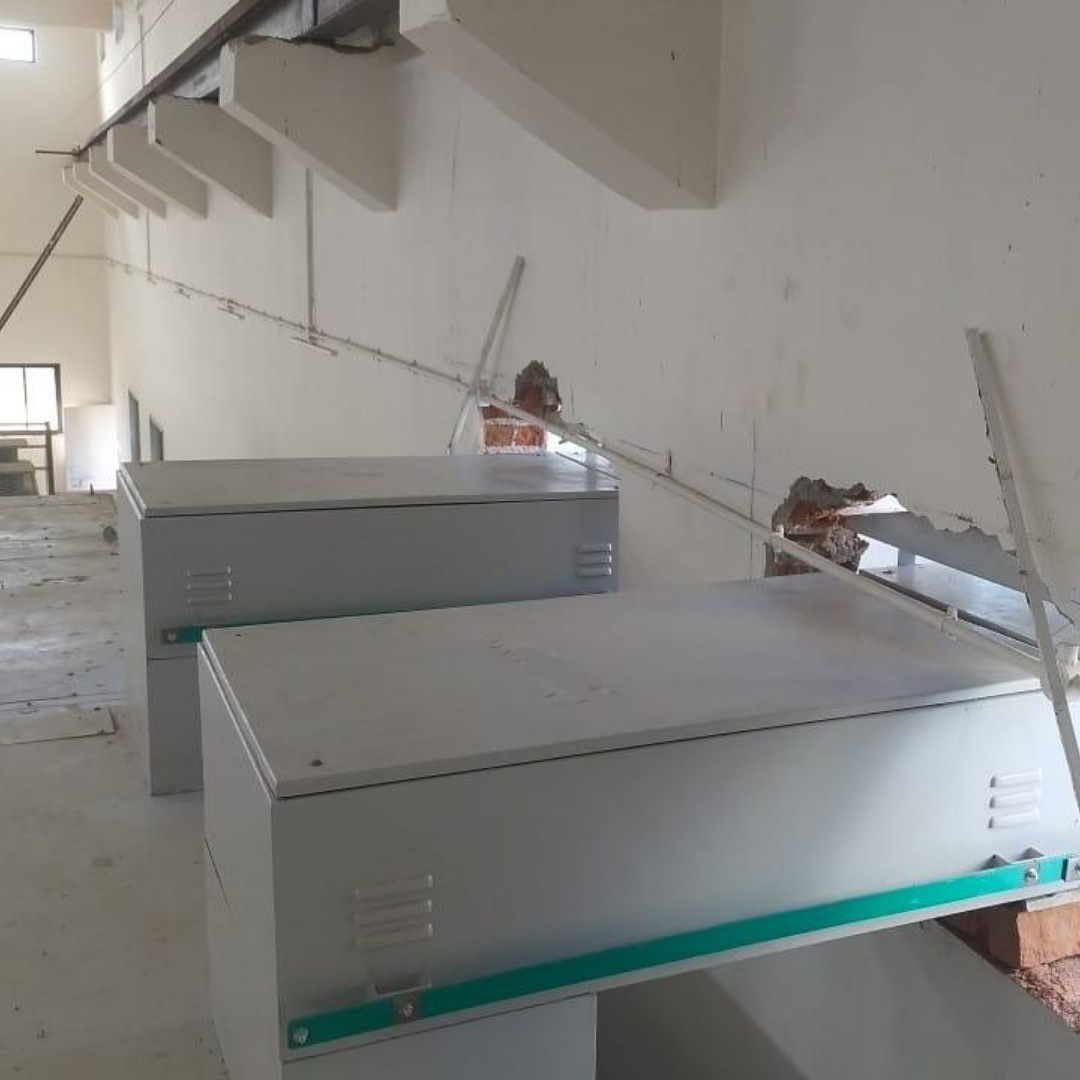
An Electrical Busbar Duct, often referred to as a Busway or Bus Duct, is a prefabricated electrical distribution system used to efficiently and safely transport large currents of electrical power.1 It serves as a modern, structured alternative to traditional heavy cabling and conduit systems.2
It is typically used in industrial facilities, high-rise buildings, data centers, and commercial complexes where power needs to be distributed over long distances or where high-current capacity and flexibility are required.3
The Busbar Duct is a self-contained, rigid enclosure that houses highly conductive metal bars, called busbars.
These are rectangular strips of copper or aluminum conductors, separated by specialized insulation. Their flat design allows higher current-carrying capacity and improved heat dissipation compared to cables.
Each busbar is wrapped or coated with insulating materials like Mylar, epoxy, or plastic films to prevent phase-to-phase short circuits.
The outer casing, typically steel or aluminum, protects against dust, moisture, and mechanical impact, and also serves as the continuous protective earth conductor.
Bus ducts can handle extremely high currents in a relatively small physical space, offering superior power distribution compared to traditional cables.
They allow for easy and quick tap-off points along the entire duct length. Plugs or circuit breaker boxes can connect directly without shutting down the system.
The flat, wide design increases surface area, giving better heat dissipation and fewer heat-related losses compared to tightly bundled cables.
Manufactured in standardized sections, bus ducts are easier and faster to install and assemble than pulling heavy power cables through conduits.
Used for transporting bulk power over a distance, typically with few or no tap-off points.
The most flexible type, featuring regular tap-off openings along its length for connecting load devices.
Designed to supply moving machinery (such as cranes) via a mobile collector or trolley that runs along the duct.
2020-2021 Nutral Powertech | All Rights Reserved. | Website Designed By : Industry Lead - +91 8000121171